

-
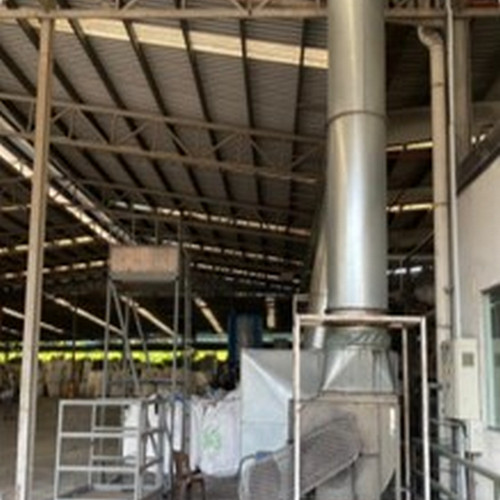
Air Pollution Control System (APCS)
A fume exhaust system chimney is meticulously designed and expertly installed with the specific objective of preventing and mitigating the potential release of harmful emissions into the atmosphere, thereby effectively addressing the issue of air pollution. This purposeful structure serves as a crucial component in industrial settings, laboratories, or any environment where fumes, gases, or pollutants are generated during various processes. By channeling and directing these emissions through the chimney, the system effectively captures and removes hazardous substances before they disperse into the surrounding air. The design of the chimney is carefully crafted to ensure optimal airflow and maximum efficiency in extracting and eliminating harmful fumes or gases. This proactive approach to environmental stewardship plays a vital role in safeguarding public health, preserving air quality, and promoting sustainable practices in line with regulatory guidelines and industry standards. The installation of a well-engineered fume exhaust system chimney is a testament to the commitment towards minimizing pollution and creating a healthier, cleaner, and more sustainable environment for both present and future generations.
-
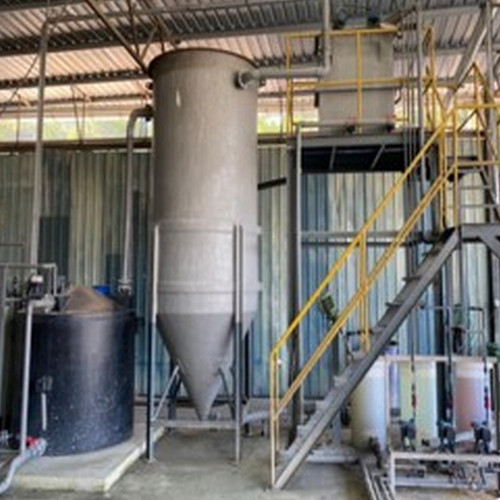
Industrial Effluent Treatment System (IETS)
The construction of a dedicated facility aims to significantly mitigate the potential of industrial effluent or mixed effluent from causing pollution. This purpose-built establishment plays a pivotal role in minimizing the release of harmful substances into the environment. By implementing advanced technologies, robust infrastructure, and stringent protocols, the facility ensures the efficient treatment and management of industrial wastewater and effluent. Through a combination of physical, chemical, and biological processes, the facility effectively removes pollutants, contaminants, and hazardous components from the effluent, rendering it safe for discharge or reuse. Moreover, the facility adheres to stringent regulatory standards and environmental guidelines, ensuring compliance and responsible practices. The construction of such a facility highlights a commitment to sustainable development and responsible industrial operations, aiming to protect ecosystems, safeguard public health, and preserve the quality of water resources. By proactively addressing the potential for pollution, this facility serves as a crucial element in creating a cleaner, healthier, and more sustainable future for all.
-
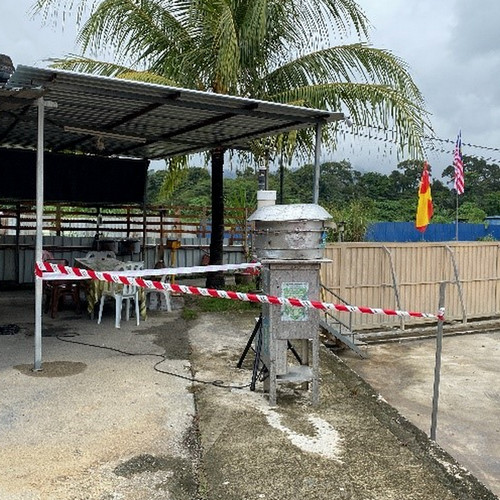
Ambient Air Monitoring
The primary objective of ambient air monitoring is to protect human health, as well as the health of ecosystems and the environment as a whole. By consistently monitoring air quality, we can identify any potential issues or trends, take timely action, and implement measures to mitigate pollution sources. This proactive approach allows for informed decision-making and the implementation of effective air quality management strategies.
Ambient Air Monitoring is a critical and routine practice conducted on a monthly basis to safeguard and maintain the quality of the air we breathe. This monitoring process involves the systematic collection and analysis of air samples from various locations to assess the presence and levels of pollutants. By regularly conducting ambient air monitoring, we gain valuable insights into the overall air quality and the potential risks posed by pollutants such as particulate matter, volatile organic compounds (VOCs), nitrogen oxides (NOx), and sulfur dioxide (SO2), among others.
-
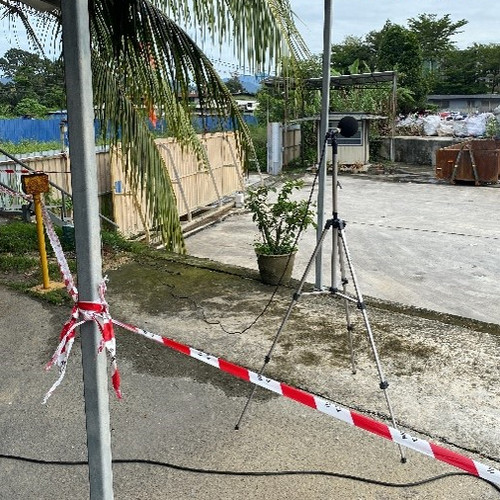
Environmental Boundary Noise
By conducting regular quarterly assessments, we can evaluate the impact of noise on the surrounding environment and community. This ensures compliance with noise regulations and standards, preventing disturbances and promoting a harmonious living environment for residents.
Environmental Boundary Noise assessments are conducted on a quarterly basis to guarantee that noise generated within a specific area remains within acceptable limits, avoiding any potential public annoyance. These assessments involve comprehensive monitoring and analysis of noise levels produced by various sources, including industrial activities, transportation, and construction.
-
Vibration
By conducting regular quarterly assessments, we can proactively evaluate the impact of vibrations on surrounding structures and residences. This helps to ensure compliance with vibration regulations and standards, preventing any potential damage or disturbance.
Vibration assessments are conducted on a quarterly basis to ensure that vibrations generated from various activities do not cause damage to structures or disrupt the tranquility of residential areas. These assessments involve systematic monitoring and analysis of vibration levels produced by sources such as construction, heavy machinery, or industrial processes.